


THE ROLE OF ART FOR PRIMARY SCHOOL STUDENTS
Fine arts is one of the effective means of fulfilling the task of moral and aesthetic education, contributing to the holistic development of students.
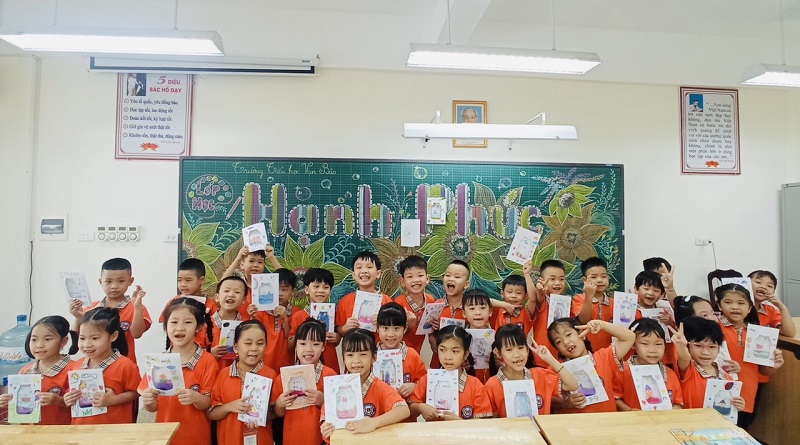
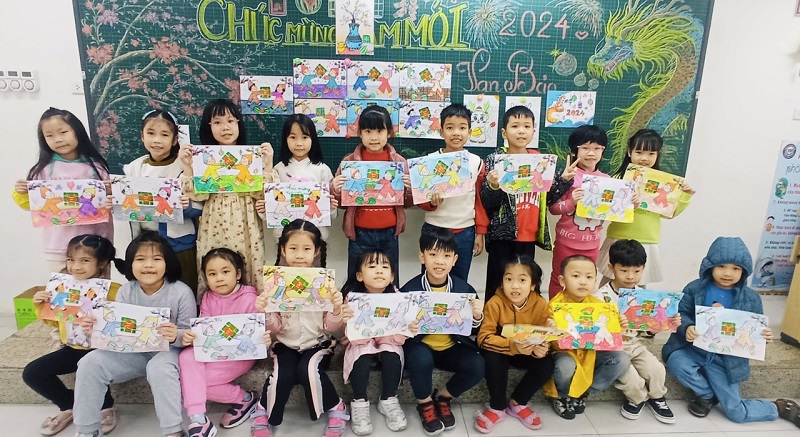
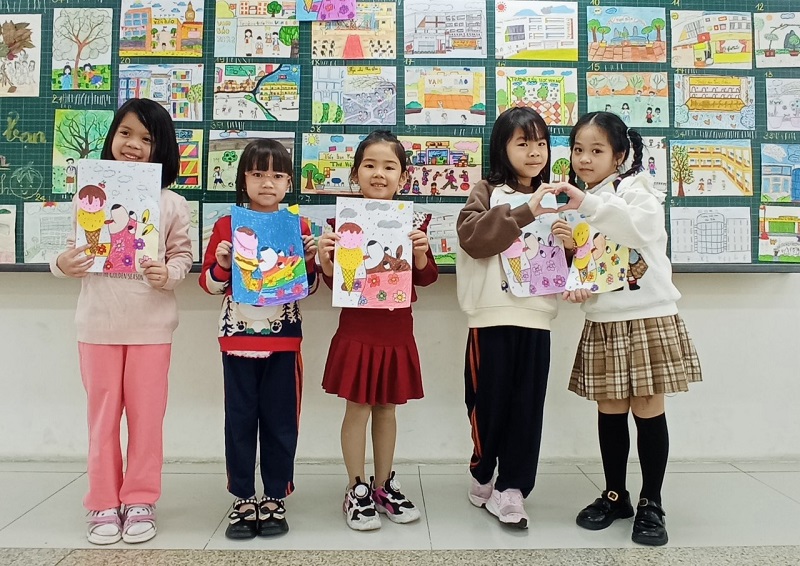
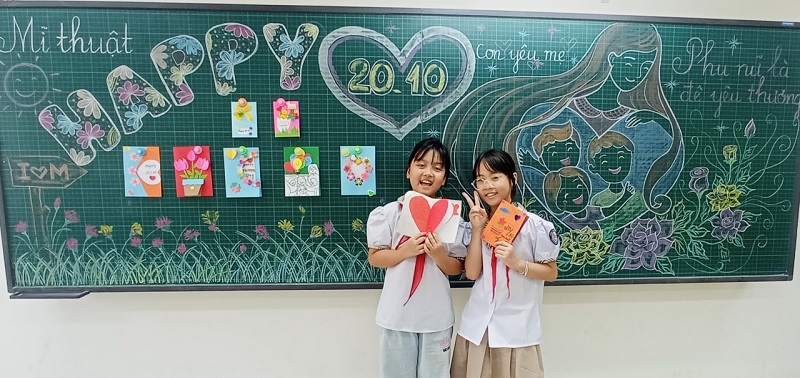
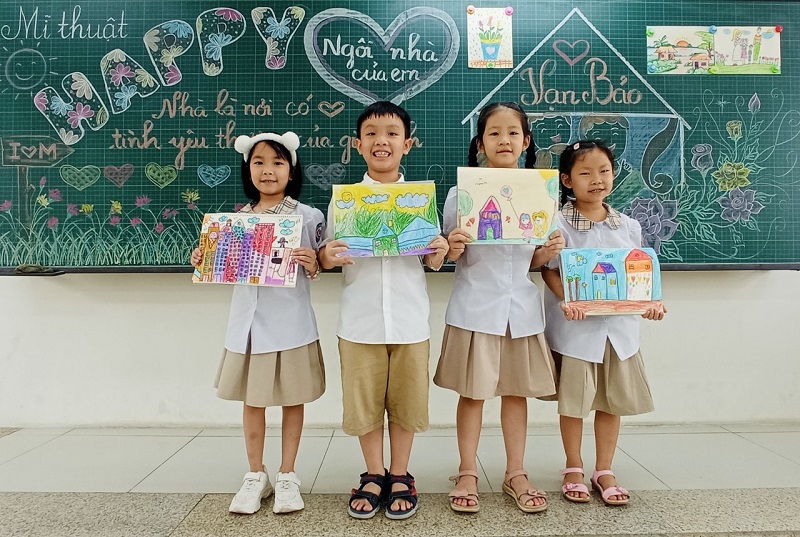
Art education plays a crucial role in modern education. Art is an effective means of fulfilling the task of moral and aesthetic education, contributing to the holistic development of students. At the same time, it lays the foundation for developing the ability to appreciate, understand, and express creativity. Learning to be creative and to appreciate art in particular, and art in general, is always an essential part of the holistic development of primary school students.
Furthermore, the goals and objectives of art education in schools contribute to the formation and development of students' aesthetic abilities; fostering in students an awareness of respecting cultural and artistic products, appreciating beauty, and thus applying it to their daily lives and studies. Art education is a unique form of art education. It awakens in students emotions directed towards Truth, Goodness, and Beauty. Art is an important activity; its essence is to help students feel refreshed and nurture beautiful dreams through practice.
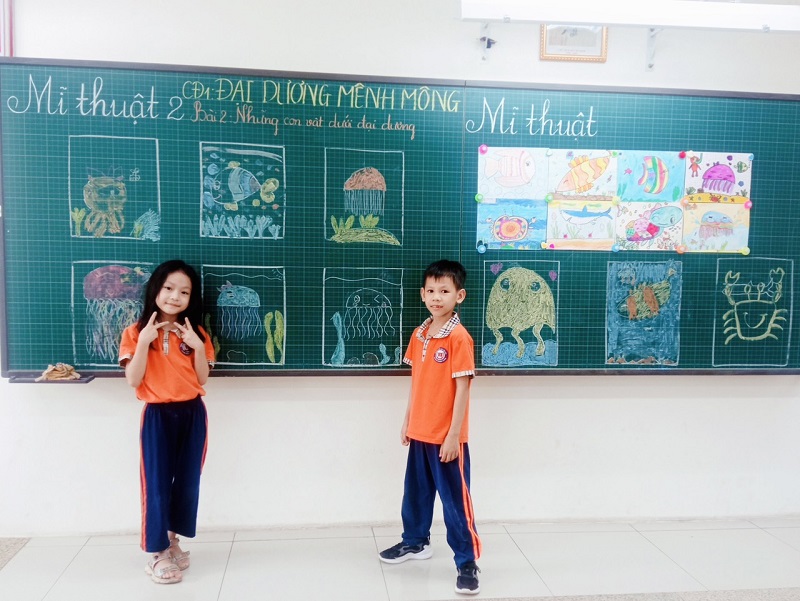
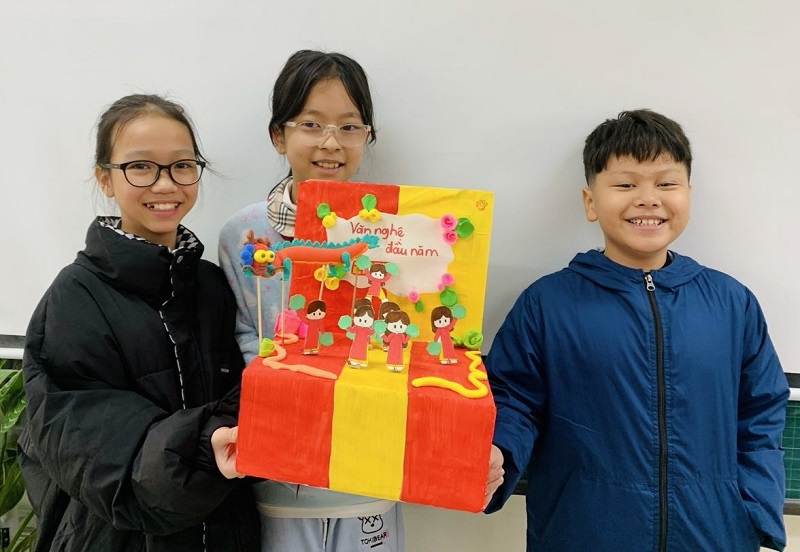
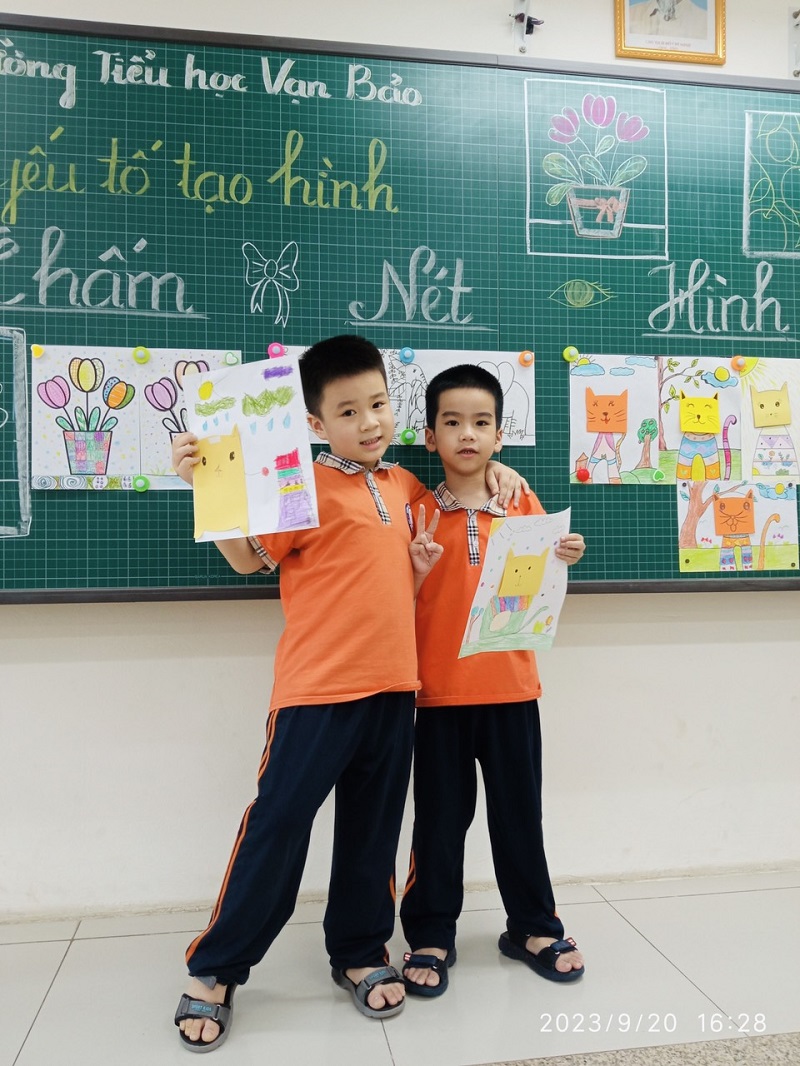
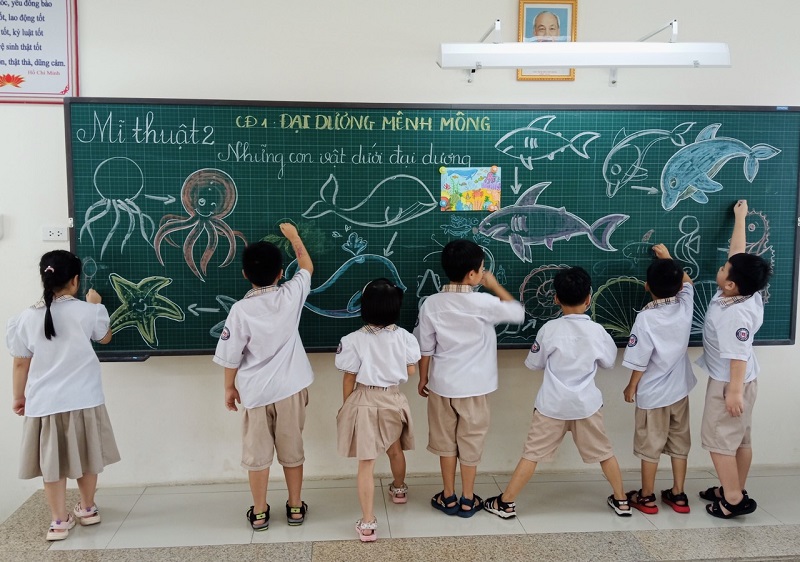
Through drawing and creative activities, children learn to express themselves, discover and articulate their own unique language, and learn to perceive the world around them from their own perspective. Art helps children develop many important skills:
1. Creative skills: Children are encouraged to use their imagination, creativity, and express their ideas through each artwork.
2. Classification and analytical thinking skills: This skill is enhanced when children have to observe, classify, and arrange colors, shapes, sizes, and spatial relationships.
3. Problem-solving skills: Children learn how to solve problems by experimenting with different materials, knowing how to adjust and combine skills to create the product they want.
4. Concentration skills: Whether drawing simple pictures or creating complex products, concentration is essential. When children focus on what they want to do, the results they achieve will be better.
5. Communication skills: Children can use the language of art as a form of nonverbal communication, expressing their emotions, thoughts, and ideas.
6. Hand-eye coordination skills: The creative process and practice require precise hand-eye coordination to produce visually appealing products. Repeated practice through various themes and materials will help children develop excellent observation, memory, and practical skills.
7. Patience and perseverance skills: The training process requires patience and perseverance. This helps children learn how to continue doing their work without giving up quickly.
8. Self-expression skills: This is a means for children to express their thoughts, personalities, and feelings. Children have the opportunity to express themselves, helping to strengthen their self-esteem and self-confidence.
9. Skills in understanding and experiencing the world around them: Children explore and learn about the world around them through the lens of art, becoming their own little "explorers".
10. Emotional management skills: Art is also a method to help children relieve stress and learn how to regulate their emotions.
Therefore, art not only helps improve academic skills but also enriches children's lives, making them happier and more interested in learning. Children will be more active in learning when learning activities bring joy. In particular, learning art will help children gain a better understanding of different cultures, increase social awareness, and foster respect for the diversity and richness of life.